Root Nodules and Nitrogen Fixation: A Field-Level Look at the Power of Beans
July 02, 2025

At Northern Feed & Bean, we pride ourselves not only on the quality of our beans but on the agronomic value they deliver to the soil—and ultimately to the grower. This week, we came across an excellent example in the field that underscores why beans continue to be a cornerstone of sustainable crop rotations across the High Plains and beyond.
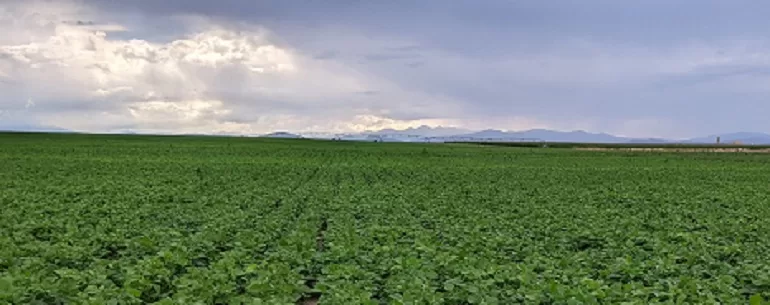
The photo series below shows a progressive development of bean plants and their root systems, culminating in a powerful visual of healthy root nodules—those small, round structures that form along the roots of legume plants. These nodules are more than just a biological curiosity; they’re one of the most important factors contributing to the productivity and long-term health of a bean crop.


What Are Root Nodules?
Root nodules are formed as part of a symbiotic relationship between the bean plant and rhizobium bacteria found in the soil. When the bacteria colonize the plant’s roots, they stimulate the formation of these nodules, which then become sites of nitrogen fixation. In this process, atmospheric nitrogen (N₂), which plants can't directly absorb, is converted into a usable form (ammonia or NH₃) that the bean plant can utilize for growth.
In return, the plant provides carbohydrates and a protected environment to the bacteria. It’s a mutual exchange—one that has been supporting agriculture for thousands of years.

A Visual Indicator of Plant Health
In one of the photos, we’ve sliced open a nodule to reveal a pinkish-red interior. This color is due to leghemoglobin, a compound similar to hemoglobin in blood, and it’s a positive sign. Active nodules that are fixing nitrogen will show this red to pink hue. If nodules are white or green, they may be immature or inactive—indicators that nitrogen fixation is not occurring at optimum levels.
From a grower’s perspective, seeing red nodules is a good sign that the crop is performing well below the surface. It also tells us that the seed-to-soil interface, bacterial inoculation, and early root development have aligned to create ideal growing conditions.

Why This Matters: Crop Rotation and Soil Health
Legumes like dry beans are not just profitable cash crops—they play a vital role in regenerative and rotational farming systems. By naturally contributing nitrogen back to the soil, they reduce the need for synthetic fertilizer inputs in subsequent crops like corn or wheat. This reduces input costs, mitigates runoff risk, and supports healthier soils over time.
When we talk to growers about the value of planting beans, we often emphasize these rotational benefits. Now, with this photo series, we have a field-ready, visual example that captures exactly what we mean. Seeing these nodules firsthand is a reminder of how nature rewards good stewardship and how thoughtful rotations can amplify both yield and sustainability.

Key Takeaways for Growers
- Monitor root nodules during early growth stages to evaluate crop health and inoculation success.
- Pink-red color = active nitrogen fixation. This should be part of mid-season root digs or agronomy checks.
- Leverage beans as a soil-building crop in your rotation plan. Their ability to fix nitrogen can benefit not just this season, but the next one too.
- Discuss inoculant options with your agronomist if nodulation is sparse or underperforming—especially on fields new to legume production.
We encourage everyone in the network—whether you're in sales, agronomy, or operations—to use these images and insights in your grower conversations. This is a textbook example of how biology and management align to build stronger crops and healthier soils.
Let’s keep sharing these kinds of wins—above and below the surface.