Why 2026 Is Being Called the “Year of the Bean” — And Why It Matters to Your Table
February 05, 2026
Move over kale and cauliflower — beans are finally stepping into the spotlight. Nutrition experts are saying 2026 will be the Year of the Bean, celebrating this humble legume not just for its affordability, but for its health, versatility, and essential role in modern eating.
“Beans Are Finally Having Their Moment” — Expert Insight
“Beans are finally having their moment,” says registered dietitian nutritionist Ashley Kitchens. According to Kitchens, as people shift away from meat and toward whole foods and plant-based eating, beans are becoming a go-to choice — affordable, accessible, and usable in countless ways.
This isn’t just hype. With growing interest in plant-centered eating, beans tick so many boxes for health and sustainability without breaking the bank — a major reason they’re trending in 2026.
Nutrition Benefits That Go Beyond Protein
Beans are celebrated not only for plant protein, but for what many everyday proteins don’t offer — fiber. As certified clinical nutritionist Autumn Bates explains: “What a lot of people have been missing lately is fiber — and beans are loaded with it.” She notes fiber supports satiety, helps steady blood sugar, and boosts digestive health.
In addition to fiber and protein, beans deliver key nutrients like folate, iron, magnesium, potassium, and antioxidants — and studies link them to heart health, improved digestion, and lower LDL (“bad”) cholesterol.
“In fact, they’re considered the world’s number-one longevity food,” Bates adds, noting that populations known for long healthy lives often eat beans daily.
Dry vs. Canned Beans — What Nutritionists Recommend
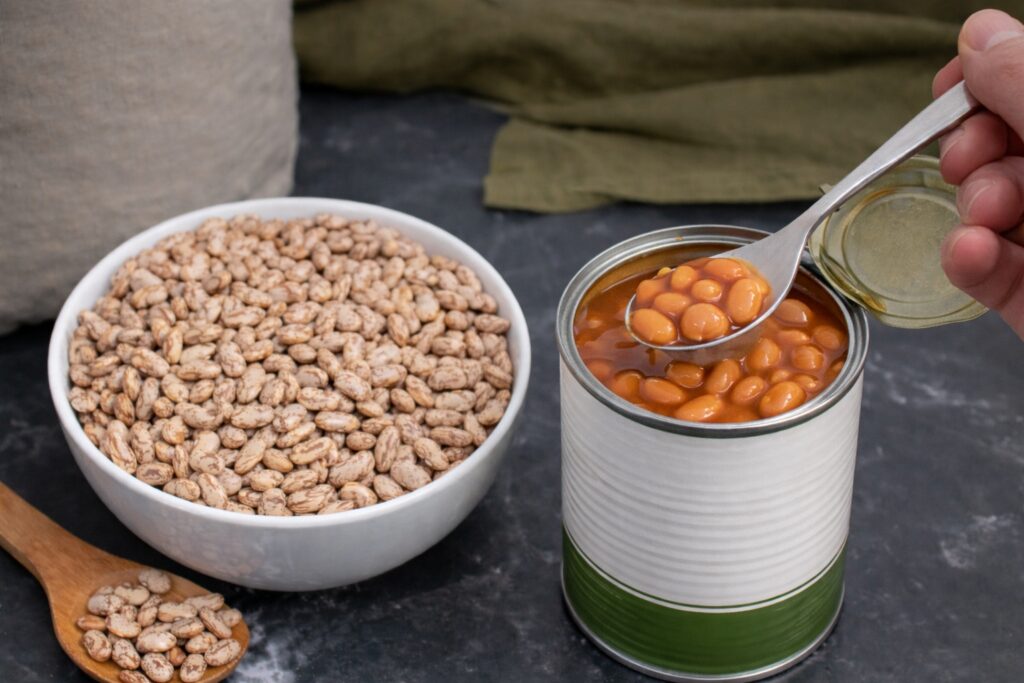
Most beans come either dried or canned, and each form has its perks:
- Dried beans: naturally lower in sodium and under your control when you cook them from scratch.
- Canned beans: super convenient and still nutritious — especially if you rinse them to significantly reduce sodium content.
As one expert put it, “the healthiest beans are the ones you actually eat,” underscoring that practical habits matter most.
Best Beans for Your Pantry
Beans aren’t all the same — and nutritionists say mixing it up is key. For example:
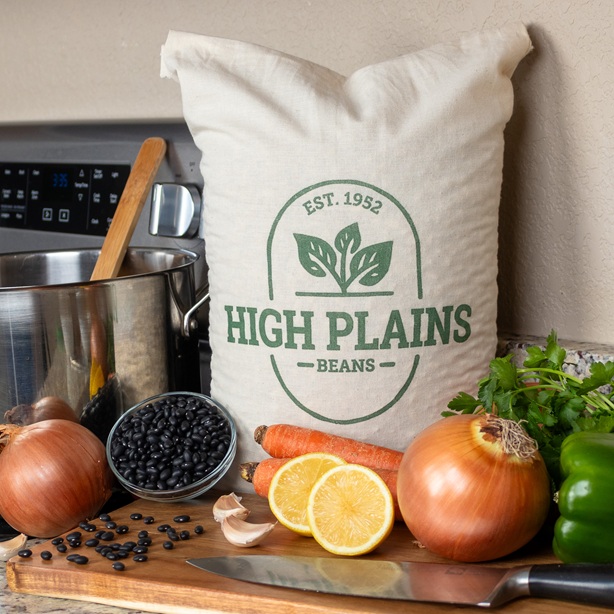
- Black beans: great for fiber.
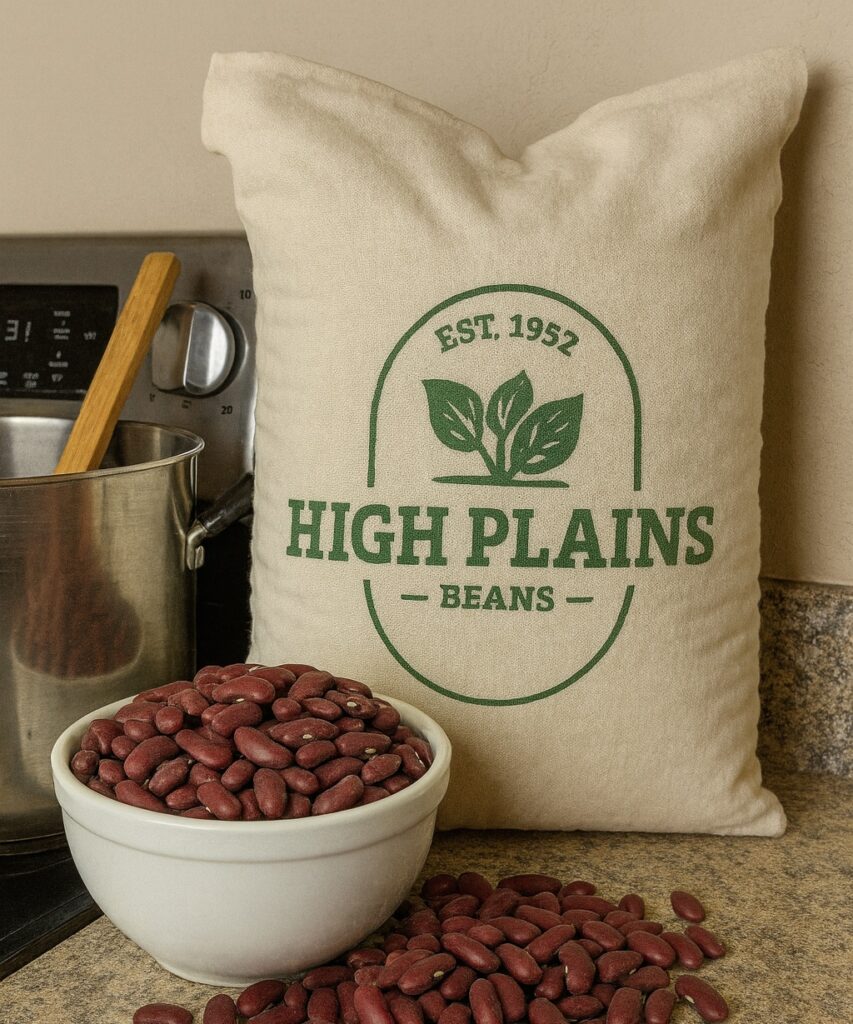
- Kidney beans: rich in antioxidants.
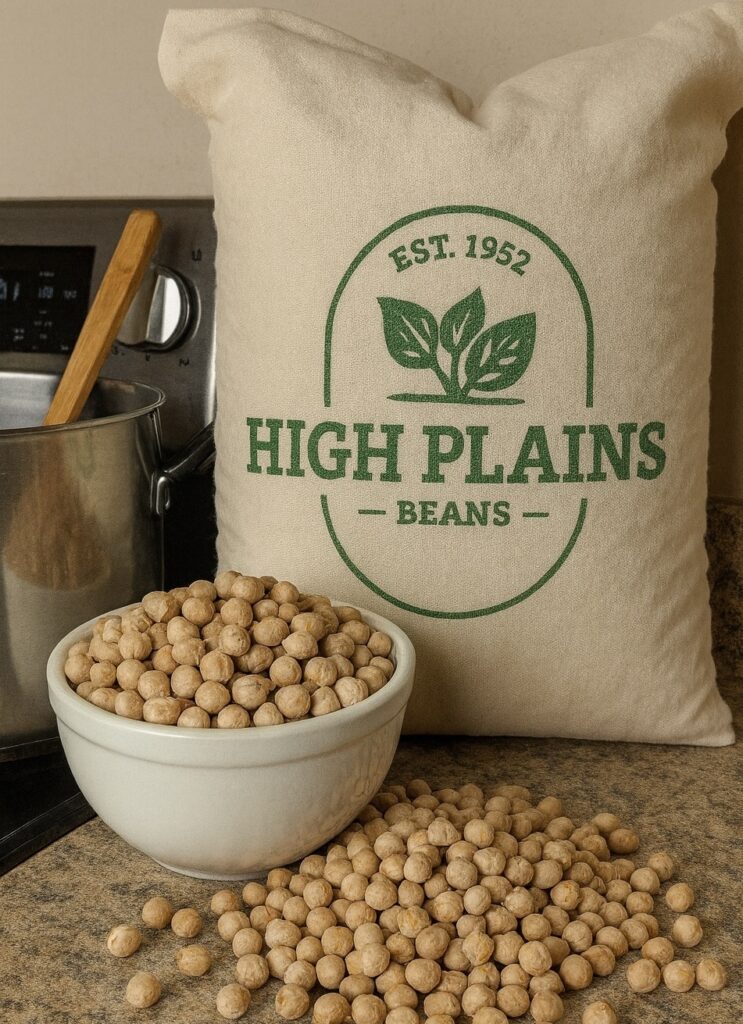
- Chickpeas: slightly lower in fiber but higher in protein quality, making them a great option for balanced meals.
“Choosing to eat a variety of beans, lentils, and peas is the best strategy,” one expert says — a philosophy we couldn’t agree with more at Northern Feed & Bean.
Bring Beans to Your Table in 2026
Beans are more than a trend — they’re a cornerstone of a healthy, affordable, and sustainable diet. With their impressive nutritional profile, culinary versatility, and budget-friendly nature, it’s no wonder nutritionists are declaring 2026 the Year of the Bean.
At Northern Feed & Bean, we’re excited to help you explore bean varieties, offer cooking tips, and bring these nutritional powerhouses into meals that nourish your family every day. Here’s to a flavorful year ahead — one bean at a time!
Sources
- “Nutritionists Are Declaring 2026 the ‘Year of the Bean’ — Here’s Why,” Real Simple (Elizabeth Yuko, Feb. 4, 2026).