

How to Cook Dry Beans Without Overthinking It.
A little planning goes a long way, but cooking dry beans is simpler than it sounds. Choose the method that fits your day, cook until tender, and you are ready for soups, bowls, salads, dips, and whatever else is on the menu.
Before You Start
A quick sort and rinse is all it takes before you choose your cooking method.
1
Sort
Spread beans out and remove any small stones, debris, or damaged beans.
2
Rinse
Rinse beans under cool running water.
3
Choose Your Method
Soak overnight, use a quick-soak method, or cook straight from dry.
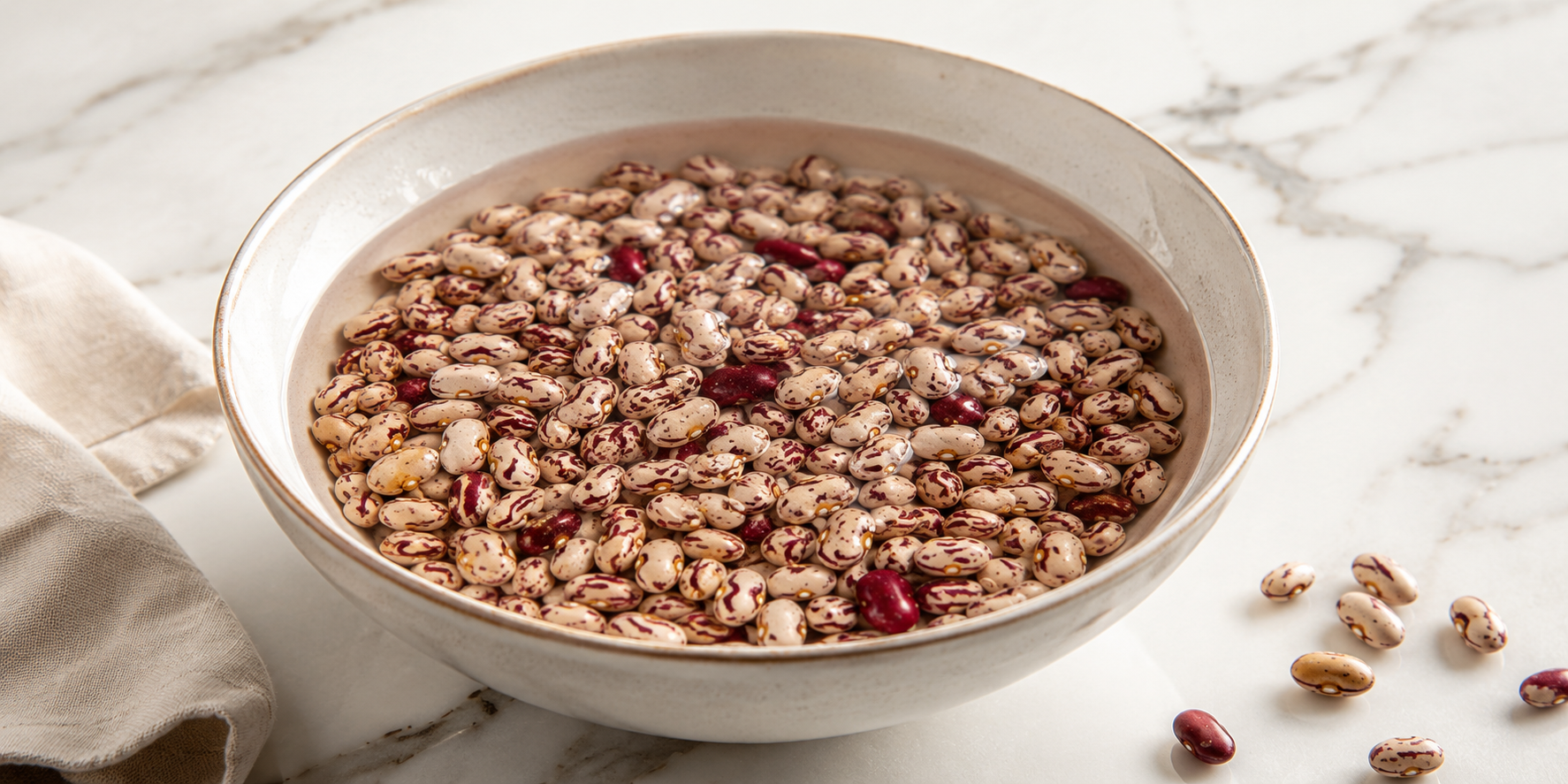
Soak If You Want To.
Soaking is optional, but it can help shorten cooking time. Choose the approach that fits your schedule.

Overnight Soak
Cover beans with plenty of water and let them soak for at least eight hours or overnight. When you are ready to cook, drain, rinse, and add fresh water.

Quick Soak
Short on time? Cover beans with water, bring to a boil for a few minutes, then remove from heat, cover, and let stand for about an hour before draining and cooking.
Pick a Pot. Any Pot.
Once your beans are rinsed and ready, cook them with fresh water until tender. The best method is the one that works for your kitchen and your schedule.
Method 1

Stovetop
A classic, flexible method. Add beans and fresh water to a pot, bring to a gentle simmer, and cook until tender.
Method 2

Slow Cooker
A hands-off option for days when you want dinner working in the background. Add beans, water, and your favorite aromatics, then let the slow cooker do its thing.
Method 3
Pressure Cooker
A faster option for tender beans with less waiting. Follow your pressure cooker’s bean setting or manufacturer instructions for liquid and timing.
Helpful Note:
Cooking time varies by bean variety, cooking method, elevation, and how long beans have been stored. Start checking for tenderness as you get close, then cook until they are creamy and fully tender.
Season Your Way.
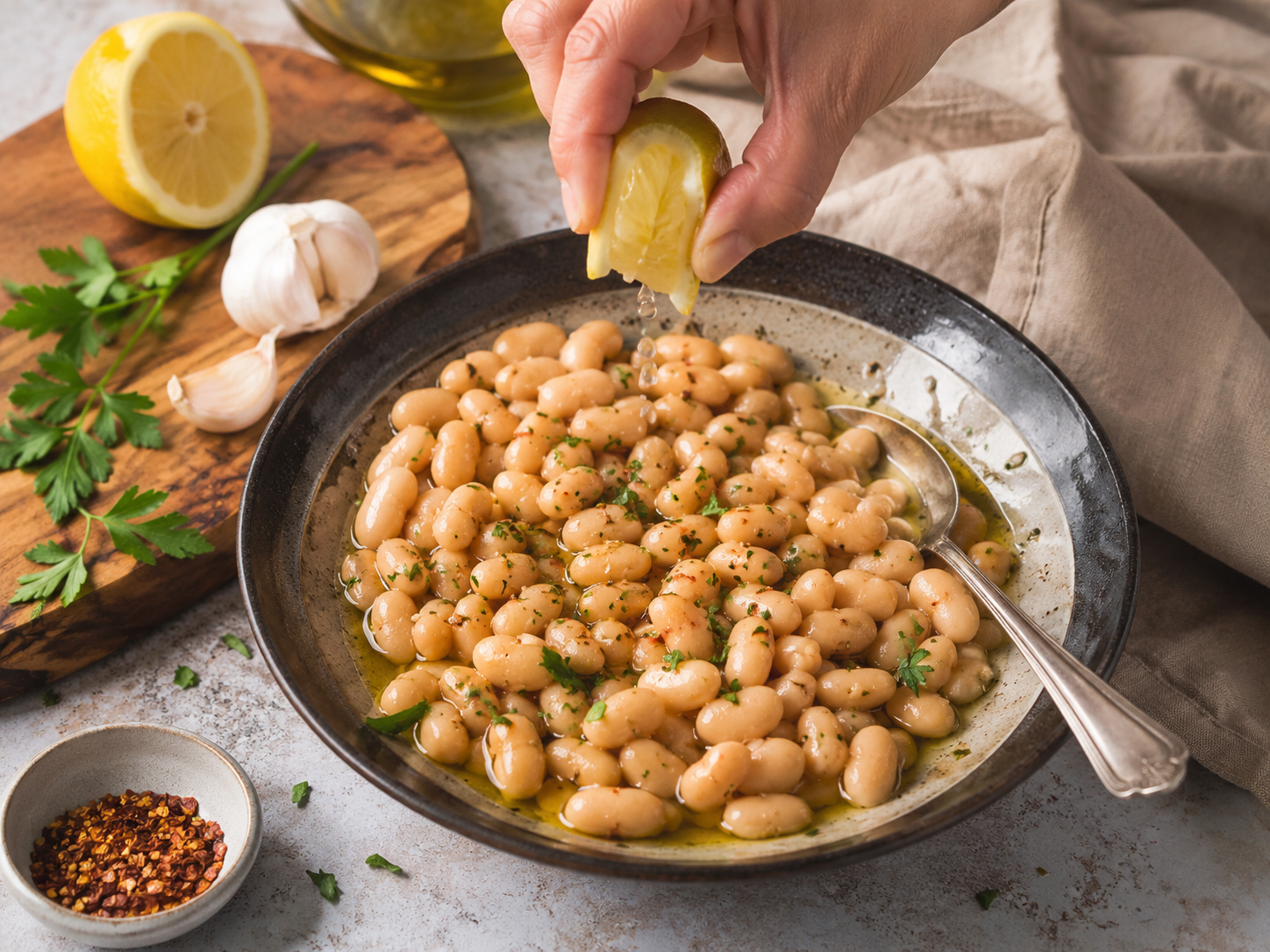
Starting with dry beans gives you a blank canvas. Keep it simple with salt, garlic, onion, and herbs, or build a bigger flavor base with broth, spices, vegetables, and aromatics.
Quick Tip 1:
Salt Is Welcome
Adding salt to cooking water does not prevent beans from softening and may help improve flavor and texture.
Quick Tip 2:
Hold the Acid Until the End
Tomatoes, vinegar, lemon, and other acidic ingredients are best added once beans are tender.
Quick Tip 3:
Cook Extra
One batch of beans can become several easy meals throughout the week.
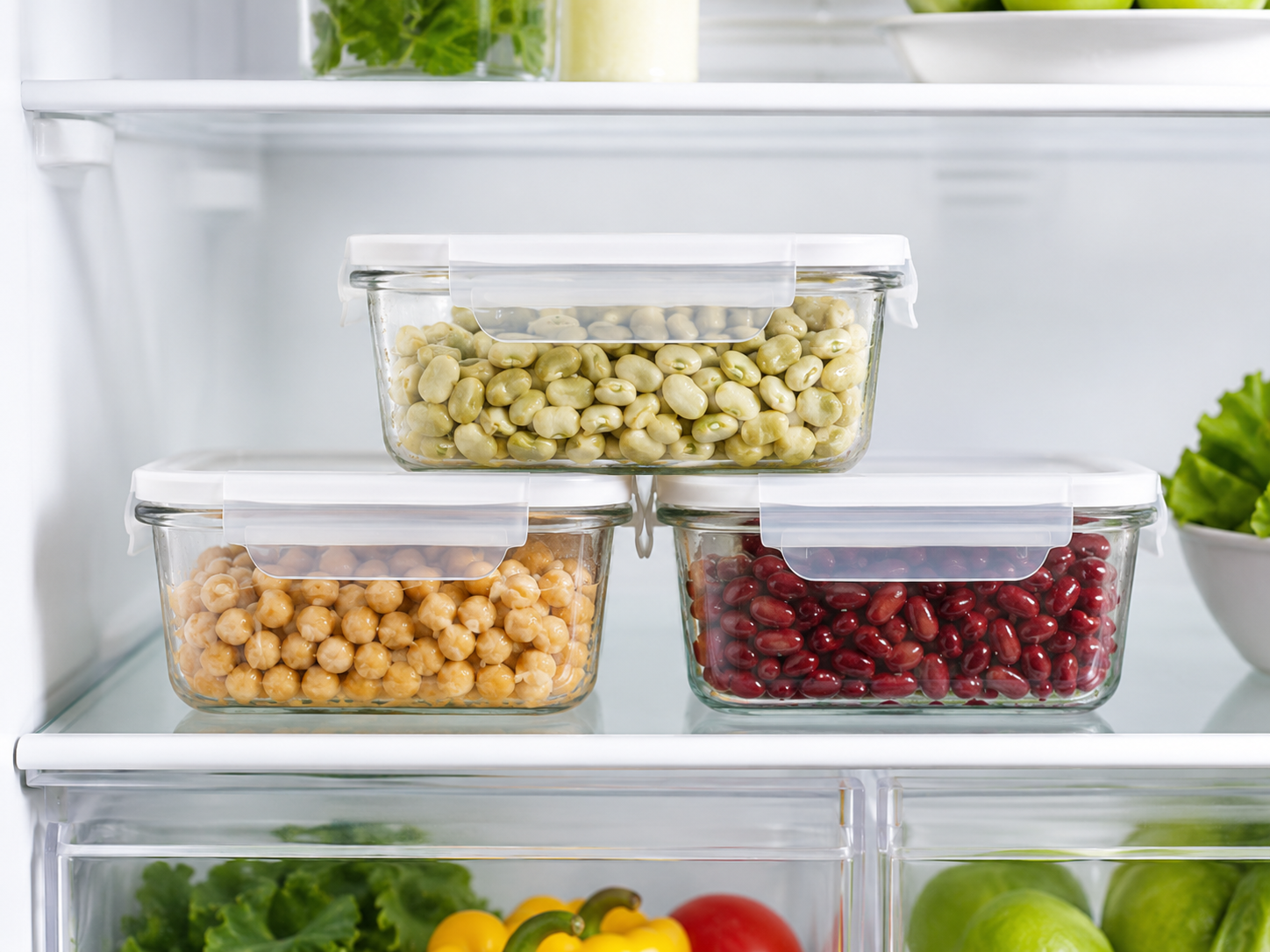
Cook Once. Eat Well All Week.
Cooked beans are easy to keep on hand for quick meals. Refrigerate them in an airtight container and use within a few days, or freeze portions for later.
Storage Tip:
Refrigerate cooked beans within two hours. Use within 3–5 days, or freeze for later.